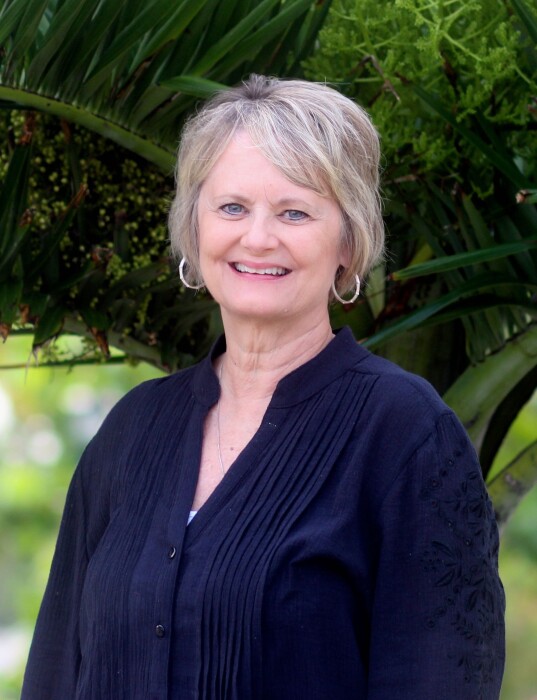
Tribute to Elicia Scobey
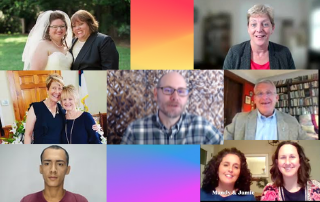
Welcoming Cumberland Presbyterians honors Elicia Scobey, whose life of faith, music, service, and love was a gift to the Church and to all who knew her.Elicia shared more than 30 years of life and love with Allison Stewart. After they were legally married in 2016, their marriage became part of an important conversation within the church regarding inclusion. Those who knew them saw something even more personal and profound: a deep devotion to one another. As one friend said, “Of all the couples I have known, I don't think I have ever witnessed two people more devoted to each other than Allison and Elicia.”Throughout Elicia’s cancer journey, Allison remained faithfully by her side, caring for her with extraordinary love and tenderness. Their life together was a testimony to the depth of love that can be lived through ordinary days, difficult seasons, and the commitment to remain present to one another.In 2021, Elicia and Allison courageously shared their story in a video series created to help the Cumberland Presbyterian Church know LGBTQ+ members of the church as real people of faith and followers of Jesus Christ. Their hope was that, as the church continued its discernment, it would listen to the testimony of their lives, their faith, their love, and their experiences, and become more willing to hear the stories of others like them, coming to know the people behind the conversation.When Elicia shared her testimony, she had already served as pianist at Cool Springs Cumberland Presbyterian Church for more than 28 years. She coordinated music and worship, directed children’s choirs and bell choirs, served as a Sunday school nursery teacher, and generously shared her gifts in the life of her congregation. Through music, teaching, service, and presence, Elicia helped nurture the faith of generations of Cumberland Presbyterians.Elicia was a beloved